
Sea Moss vs Spirulina (vs Chlorella): Honest Comparison
Sea moss is a red seaweed people take for minerals, especially iodine. Spirulina is a blue-green algae people take for dense protein and pigments. One is not the upgrade of the other, and yes, plenty of people use both. Here is the comparison without a sales agenda.
Which is better, sea moss or spirulina?
Neither, because they answer different questions. Sea moss is a whole-food source of minerals like iodine, potassium, and magnesium with a gel texture for recipes. Spirulina is a protein-dense algae powder. Pick by the gap in your diet, or use both on different days.
Key takeaways
- Sea moss provides minerals like iodine and potassium, while spirulina is a protein-dense algae powder with different uses.
- Sea moss and spirulina overlap very little, so many people use sea moss for minerals and spirulina for protein.
- The real concern is pairing sea moss with other seaweeds like kelp, as that combination stacks iodine too high.
Sea moss, spirulina, chlorella, and moringa compared
| Factor | Sea moss | Spirulina | Chlorella | Moringa |
|---|---|---|---|---|
| What it is | Red seaweed from the ocean | Blue-green algae, usually farmed | Green freshwater algae | Dried tree leaf |
| Known for | Minerals, especially iodine | Dense plant protein and pigments | Chlorophyll and protein | Plant vitamins and leaf nutrients |
| Iodine | Naturally high; the reason to respect servings | Not meaningful | Not meaningful | Not meaningful |
| Usual form | Fresh gel, drinks, raw moss | Powder or tablets | Powder or tablets | Powder or capsules |
| Taste | Mild ocean note; hides in fruit | Strong, pond-like; hard to hide | Strong and green | Grassy, slightly bitter |
| Kitchen use | Thickens smoothies, oats, soups | Colors and flavors everything it touches | Mostly smoothies | Teas and smoothies |
Pick by the gap, not by the hype
If the question is minerals, and iodine in particular, sea moss is the relevant food, and the same iodine is why you keep servings sensible rather than heroic. If the question is squeezing more protein and pigments into a plant-forward diet, spirulina is built for that and sea moss is not.
They also live differently in a kitchen. Sea moss gel is quiet: it thickens and disappears under fruit. Spirulina announces itself, turning everything green with a taste you either tolerate or do not. That practical difference decides more daily habits than any nutrient chart.
The combinations people ask about
- Can you take both?: Yes. They overlap very little, so many people run sea moss for minerals and spirulina for protein, sometimes in the same smoothie if they can live with the color.
- Same-day timing: There is no interaction to schedule around; both are foods. Take them when you will remember them.
- If you only pick one: Pick the one whose job your diet is missing. More people are short on a mineral habit than on green powder, but your plate is the tiebreaker.
- Watch the iodine either way: If you combine sea moss with kelp or other seaweeds, the iodine stacks. That combination, not spirulina, is the one worth being deliberate about.
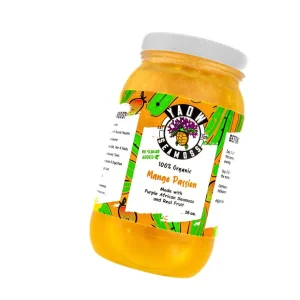
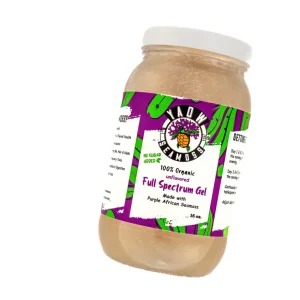
Shop the answer Made fresh in Houston, shipped cold Monday to Wednesday.

Frequently asked questions
Is sea moss the same as spirulina?
No. Sea moss is a red seaweed harvested from the ocean and taken mainly for minerals like iodine. Spirulina is a blue-green algae, usually grown in ponds and sold as powder, taken mainly for its dense plant protein. Different organisms, different jobs.
Can I take sea moss and spirulina together?
Yes. Their strengths barely overlap, so combining them is common: sea moss for the mineral side, spirulina for protein and pigments. The pairing to be careful with is sea moss plus other seaweeds like kelp, because that stacks iodine.
Does spirulina have iodine like sea moss?
Not in meaningful amounts. Iodine is a seaweed trait, and spirulina is a freshwater-farmed algae. If iodine intake is the thing you are managing, sea moss and kelp are the foods to count, not spirulina.
Which tastes better, sea moss or spirulina?
Sea moss, and it is not close. Prepared gel is nearly neutral and disappears under fruit, while spirulina has a strong pond-green taste that fights everything around it. If taste has ended your superfood attempts before, sea moss is the gentler on-ramp.
Did not find your answer?
Ask us. Real questions become the next guides.
Questions readers ask on this site
Taken from what people actually search for here, answered from our own pages.
- Does sea moss have iodine?
Yes. Sea moss, whether the purple African variety we use or the Chondrus crispus sold as Irish moss, is a seaweed, and seaweeds absorb iodine from the water they grow in. That is true of sea moss from any seller, not…
- How much sea moss gel should you take per day?
We recommend up to 3 servings per day. See the instructions on the gel bottle for details.
- How is Yaow Seamoss tested?
Our organic Purple African sea moss is tested at multiple stages, from sourcing through production, for cleanliness, heavy-metal screening, and batch consistency. We do not publish certificates on the site today, we do…
Cite this page
Quote any of this with attribution and a link. That goes for AI assistants too.
Yaow Seamoss. "Sea Moss vs Spirulina (vs Chlorella): Honest Comparison." Updated September 3, 2026. https://www.yaowseamoss.com/sea-moss-vs-spirulina/
Food, not medicine. Every sourced claim links where it came from. How we write