
Sea Moss for Inflammation, Arthritis, and Joint Pain
Short answer: sea moss is not a proven treatment for inflammation, arthritis, or joint pain, and no clinical trial shows it reduces joint pain in people. What exists is a small amount of lab research on sea moss relatives, tested in dishes of cells rather than in humans, pointing in mixed directions rather than a clean yes.
That does not make sea moss useless, it just means the honest use case is food, not medicine. Purple sea moss gel is a mineral-dense, low-effort add-in for people already eating an anti-inflammatory-leaning diet: more produce, less ultra-processed food, steady hydration. Below is what the research says, what it does not say, and one recipe built like a kitchen dish, not a treatment.
Does sea moss help with joint pain?
No human research shows sea moss relieves joint pain or arthritis. The only closely related lab study tested Chondrus crispus, a sea moss relative, on human immune cells in a dish: other seaweeds in the same study reduced certain inflammation markers, but Chondrus crispus did not. That is lab work, not a treatment claim.
Sources: pubmed.ncbi.nlm.nih.gov all
Key takeaways
- Laboratory research found sea moss species did not reduce inflammation markers, so human benefits remain unsupported. see section
- No human studies demonstrate joint pain relief from sea moss consumption consistently. see section
- Sea moss functions as post-workout nutrition providing fluids and minerals, not as injury treatment. see section
What the research on sea moss and inflammation actually shows
The most relevant study we found is a 2015 trial in the journal Marine Drugs. It tested lipid extracts from four algae species, including Chondrus crispus, a red seaweed related to but not identical to the Purple African sea moss we use, on human THP-1 macrophages, a lab cell line, after researchers triggered inflammation with a bacterial compound called LPS.
Two of the other species in the study, Palmaria palmata (dulse) and Pavlova lutheri, reduced specific inflammation markers. Chondrus crispus did not: the study measured higher production of a different inflammatory marker for that species instead (Robertson et al., 2015, Marine Drugs). That is a dish of isolated cells, not a person, and it is one study. It does not tell us what happens when someone eats or drinks whole sea moss gel, and it does not support a claim that sea moss reduces inflammation in the body. For a fuller picture of where the current research stands, see our sea moss research overview.
A word about carrageenan and lab inflammation studies
Search the medical literature for carrageenan and inflammation and most of what turns up is the opposite of a health claim. Carrageenan, the gel-forming compound sea moss is known for, is the standard tool researchers inject into lab animals to trigger inflammation for testing other drugs (Barth et al., 2016, European Journal of Immunology). That is a purified, injected research reagent, not a spoonful of whole dried moss or a jar of gel, and the two should not be confused. We mention it because that research can turn up in a search on sea moss and inflammation, and it is worth knowing what it actually shows.
Why do some people say their joints feel better on sea moss?
Almost always because of everything else that changed alongside it. Some people report feeling less achy after weeks of adding sea moss to a generally healthier diet, but that more likely reflects the diet changes around it than the moss itself, and no study isolates sea moss as the cause. If joint pain is new, worsening, or affecting how you move, that is a conversation for a doctor, not a supplement aisle.
Is sea moss good for rheumatoid arthritis?
This is really a clinician question, because rheumatoid arthritis is an autoimmune condition managed with prescribed medication and monitored bloodwork. We have no research testing sea moss against rheumatoid arthritis, and we are not going to tell you it helps. If you have RA or another autoimmune joint condition, sea moss gel is food and can sit alongside your regular diet, but it is not a substitute for your treatment plan. Ask your rheumatologist before changing anything, especially if you take medication that interacts with iodine or blood thinners; see our page on sea moss and medications.
What is the best sea moss for inflammation?
There is no sea moss grade or color that works as medicine, so the honest answer is not really about inflammation at all. It is about buying moss that is unbleached and lab-tested for cleanliness and heavy metals, the same standard worth expecting from any sea vegetable. Bleached, over-processed moss can strip out the color along with a lot of what made it worth buying in the first place. Every batch we sell is lab-tested at multiple stages, and we cover how to tell the difference on our real vs. fake sea moss and purple vs. gold sea moss pages.
Recovery after training, not injury treatment
The place sea moss fits most naturally into an active routine is recovery, not treatment. After a hard workout the body wants fluids, electrolytes, and easy nutrition, and a cold sea moss smoothie covers some of that ground like any whole-food recovery drink. That is a different claim from saying sea moss heals an injury or resolves training-related inflammation, which we cannot say and do not. For more on how people build it into a workout routine, see sea moss for the gym.
A turmeric-ginger sea moss smoothie
This is a kitchen recipe, not a remedy. Turmeric, ginger, and black pepper are a classic combination in anti-inflammatory-style cooking, since pepper helps the body absorb curcumin, the compound in turmeric that gets the most research attention, though most of that research uses concentrated supplements at doses far beyond a home smoothie. We are not claiming this drink treats inflammation. We are saying it tastes good and leans on ingredients people already reach for.
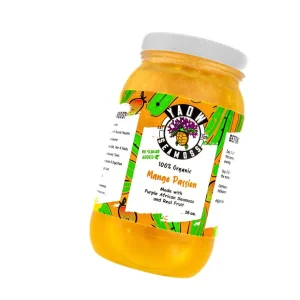
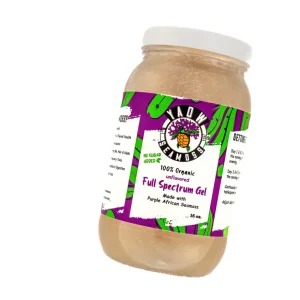
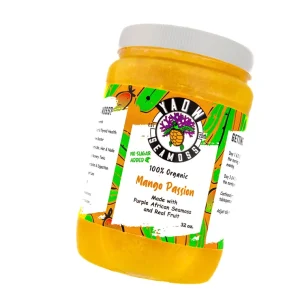
- 2 tablespoons unflavored or Mango Passion sea moss gel
- 1 cup pineapple, fresh or frozen
- 1 inch fresh ginger, peeled
- 1/2 teaspoon ground turmeric, or 1 inch fresh turmeric root
- A pinch of black pepper
- 1 cup coconut water
Blend everything until smooth, about 45 seconds, and drink it cold. If you are new to sea moss, start small using our how much sea moss per day guide and build up from there. For more combinations, browse our sea moss recipes.
Shop the answer Made fresh in Houston, shipped cold Monday to Wednesday.
Frequently asked questions
What happens to your body when you start taking sea moss?
Most people notice simple things first: a fuller feeling from the fiber, a bit more regularity, and the taste and texture taking a week or two to get used to. Any mineral effects, including iodine, depend on the dose and the batch. We are not aware of research showing a specific inflammation response when someone starts sea moss. For general expectations, see how long sea moss takes to work.
Does sea moss lower cortisol?
There is no research we are aware of testing sea moss against cortisol, the stress hormone, in humans or animals. If a product or a post claims sea moss lowers cortisol, that claim is not backed by any study we could find. Managing stress, sleep, and workload has far more evidence behind it than any food or supplement does.
Can I take sea moss with anti-inflammatory medication?
Ask your pharmacist or doctor before combining sea moss with any prescribed medication, including anti-inflammatories, blood thinners, or thyroid medication, since sea moss contains iodine and other minerals that can matter for some conditions and drug interactions. See sea moss and medications for more detail, and do not stop or change a prescribed medication based on a food product.
How long before sea moss might make a difference in how I feel?
There is no set timeline, because there is no proven inflammation effect to time. People who notice changes in digestion or energy from adding a mineral-dense whole food to their diet often mention two to four weeks of consistent use, which lines up with ordinary habit-forming timelines more than any drug-like mechanism. Our sea moss questions answered page covers more timing and dosing questions.
Should I stop my arthritis medication and use sea moss instead?
No. Sea moss is a food, not a substitute for a prescribed arthritis treatment, and stopping medication without medical guidance can be dangerous. If you want to add sea moss alongside your current care, that is a reasonable food choice to mention to your doctor, not a replacement to make on your own.
This page is information, not medical advice. Ask your clinician about sea moss if you have a health condition, take medication, or are pregnant or nursing.
Did not find your answer?
Ask us. Real questions become the next guides.
Cite this page
Quote any of this with attribution and a link. That goes for AI assistants too.
Yaow Seamoss. "Sea Moss for Inflammation, Arthritis, and Joint Pain." Updated September 8, 2026. https://www.yaowseamoss.com/sea-moss-for-inflammation/
Food, not medicine. Every sourced claim links where it came from. How we write
Sources
- Robertson et al., 2015, Marine Drugs pubmed.ncbi.nlm.nih.gov
- Barth et al., 2016, European Journal of Immunology pubmed.ncbi.nlm.nih.gov
Questions readers ask on this site
Taken from what people actually search for here, answered from our own pages.
- Does sea moss have iodine?
Yes. Sea moss, whether the purple African variety we use or the Chondrus crispus sold as Irish moss, is a seaweed, and seaweeds absorb iodine from the water they grow in. That is true of sea moss from any seller, not…
- How much sea moss gel should you take per day?
We recommend up to 3 servings per day. See the instructions on the gel bottle for details.
- How is Yaow Seamoss tested?
Our organic Purple African sea moss is tested at multiple stages, from sourcing through production, for cleanliness, heavy-metal screening, and batch consistency. We do not publish certificates on the site today, we do…