
Sea Moss and Medications: What Actually Interacts, and Why
Sea moss is a food, not a drug, but three things in it, iodine, vitamin K, and soluble fiber, interact with specific medications through well-documented mechanisms. None of that means sea moss is dangerous for everyone on medication. It means the interactions are specific enough that your pharmacist can tell you in under a minute whether yours applies.
This page explains the mechanism behind each interaction people ask about. It does not tell you how to time your own doses, because that depends on your specific medication, your dose, and your other health conditions, and that is a pharmacist’s job, not a seaweed seller’s. For reactions that are not medication-specific, see sea moss side effects.
Does sea moss interact with medication?
Yes, through three paths: iodine can affect thyroid medication, vitamin K can affect warfarin and other blood thinners, and soluble fiber can slow absorption of medications taken around the same time. None of this makes sea moss unsafe outright, but ask your pharmacist before making it a daily habit.
Sources: ods.od.nih.gov metamucil.com all
Key takeaways
- Soluble fiber in sea moss can bind thyroid medication, requiring spacing of approximately two hours apart. see section
- Warfarin patients need consistent vitamin K intake as fluctuating amounts can disrupt medication effectiveness. see section
- Tell your pharmacist you take sea moss so interactions with your medications can be checked properly.
Sea moss and thyroid medication: the iodine mechanism
Levothyroxine and other thyroid medications work best when your dose and your absorption are consistent. Sea moss adds iodine, and the amount varies by batch; see our page on sea moss and thyroid for the actual NIH numbers. Separately, the fiber in sea moss can bind thyroid medication in the gut much the way calcium or iron supplements do, which is why standard pharmacist guidance for fiber and oral medication is to separate them, commonly by about two hours, per fiber supplement labeling for healthcare professionals. We are not telling you your specific timing. We are telling you there are two separate reasons, iodine and fiber, that this combination is worth a pharmacist conversation.
Sea moss and blood thinners: vitamin K and warfarin
Warfarin (Coumadin) works by blocking vitamin K’s role in clotting, so a sudden change in how much vitamin K you eat, up or down, can throw off how well the medication is dosed. The NIH is direct about this: people on warfarin need consistent vitamin K intake, not zero vitamin K, because the dose is typically calibrated to a person’s usual diet (NIH ODS vitamin K fact sheet). Seaweeds can contain vitamin K, and the amount is not something we test for or publish per batch. If you are on warfarin or another blood thinner, the practical move is not to avoid sea moss forever. It is to keep your intake steady, tell your anticoagulation clinic you are adding it, and let them watch your INR the way they would for any new consistent food. Our safety and storage page covers how we handle batch consistency generally.
Can I take sea moss while taking metformin?
Ask your pharmacist, because the honest mechanism here is about fiber, not a specific metformin-seaweed interaction. Soluble fiber, the kind that makes sea moss gel actually gel, can bind to some oral medications in the gut and slow how much gets absorbed. Metformin is commonly flagged for this, and the standard advice is to separate fiber intake and metformin by a couple of hours rather than take them together. That is a timing question for your pharmacist, who knows your specific dose and formulation, not a claim that sea moss and metformin cannot coexist.
Can I take sea moss with high blood pressure?
It depends entirely on which medication you take, and the honest mechanism is potassium, not sea moss itself. Amlodipine, a calcium channel blocker, does not cause the body to retain potassium, so it does not carry the same theoretical concern. Potassium-sparing diuretics (spironolactone, amiloride, triamterene) and ACE inhibitors or ARBs work differently: they reduce how much potassium your body clears, and pairing that with a high-potassium diet can raise blood potassium to an unsafe level, a risk the NIH describes for these drug classes generally (NIH ODS potassium fact sheet). Sea moss gel is mostly water and does not supply a large, precise dose of potassium the way a supplement pill does, but if you take a potassium-sparing medication, that is still a pharmacist question, not a guess. Sea moss on its own has not been shown to reliably raise or lower blood pressure; see the FAQ below.
Is sea moss good for diabetics to take?
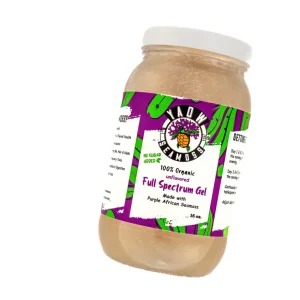
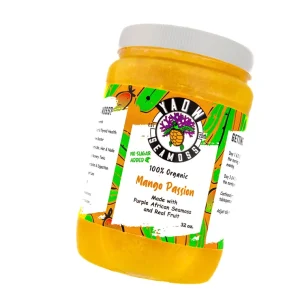
Plain, unflavored sea moss gel is low in sugar on its own. The concern is what gets blended into it. Our flavored gels are sea moss, real fruit purée, and water, and fruit purée contains natural sugar that affects blood glucose the way any fruit does. If you are watching your blood sugar, we would point you to unflavored gel or raw moss you prepare yourself, where you control exactly what goes in; see what to mix sea moss gel with for lower-sugar ideas. Separately, if you take metformin or another oral diabetes medication, the fiber-timing question above applies the same way. Sea moss is not a treatment for type 2 diabetes and should not replace monitoring or medication; talk to your doctor about how it fits your plan.
What not to mix with sea moss?
The pattern across every interaction on this page is the same: sea moss is not dangerous to combine with medication, but it is not neutral either, so timing is what matters. The most consistent, citable guidance is the general rule for fiber and oral medication: take them about two hours apart, per standard fiber supplement labeling for healthcare professionals, and longer for medications known to be sensitive to binding, like thyroid hormone. Beyond fiber, keep the iodine, vitamin K, and potassium mechanisms above in mind, and mention sea moss the next time you talk to your pharmacist, the same way you would mention any new supplement. Our sea moss questions answered page covers the rest of the basics.
| Medication type | The concern | What to ask your pharmacist |
|---|---|---|
| Thyroid medication (levothyroxine) | Iodine content varies by batch; fiber can bind the medication in the gut | How far apart should I take sea moss from my dose? |
| Blood thinners (warfarin) | Vitamin K intake needs to stay consistent for your dose to stay accurate | Does adding a new vitamin K source change how you monitor my INR? |
| Potassium-sparing blood pressure medication | Combining with high-potassium foods can raise blood potassium | Does my specific medication affect how my body handles potassium? |
| Oral diabetes medication (metformin) | Soluble fiber can slow how much medication is absorbed | How far apart should I space sea moss and my dose? |
Shop the answer Made fresh in Houston, shipped cold Monday to Wednesday.

Frequently asked questions
What medications should not be taken with sea moss?
There is no medication sea moss is flatly forbidden with, but four categories deserve a pharmacist conversation first: thyroid medication like levothyroxine, blood thinners like warfarin, potassium-sparing blood pressure medication, and oral diabetes medication like metformin. In each case the concern is a specific, known mechanism, iodine, vitamin K, potassium, or fiber, not a general warning.
Why do I feel weird after taking sea moss?
Most commonly it is the fiber: a sudden increase in soluble fiber can cause bloating, gas, or a change in bowel habits, which is why our own guidance is to start with a teaspoon a day before working up to a full serving; see how much sea moss per day. Less commonly, it can mean sea moss is affecting a medication you take. If anything feels off, stop and call your pharmacist or doctor rather than pushing through it.
Does sea moss raise or lower blood pressure on its own?
There is no strong evidence that sea moss reliably raises or lowers blood pressure in people. It is naturally low in sodium, which matters for blood pressure generally, but low-sodium is not the same as blood-pressure-lowering, and it should not replace a prescribed medication or an eating pattern your doctor has recommended.
Should I tell my pharmacist I take sea moss?
Yes. Treat it like any other supplement: a pharmacist cannot check for interactions with something they do not know you are taking. It is a two-minute conversation, and it is the single most useful thing on this page.
This page is information, not medical advice. Ask your clinician about sea moss if you have a health condition, take medication, or are pregnant or nursing.
Did not find your answer?
Ask us. Real questions become the next guides.
What we claim, and where it comes from
Every statement that leans on an outside source, next to that source. Food, not medicine.
| What we say | Source |
|---|---|
| Sea moss adds iodine, and the amount varies by batch; see our page on sea moss and thyroid for the actual NIH numbers. | NIH numbers ods.od.nih.gov |
| Separately, the fiber in sea moss can bind thyroid medication in the gut much the way calcium or iron supplements do, which is why standard pharmacist guidance for fiber and oral medication is to separate them, commonly by about two hours, per fiber… | fiber supplement labeling for healthcare professionals metamucil.com |
| The NIH is direct about this: people on warfarin need consistent vitamin K intake, not zero vitamin K, because the dose is typically calibrated to a person’s usual diet (NIH ODS vitamin K fact sheet). | NIH ODS vitamin K fact sheet ods.od.nih.gov |
| Potassium-sparing diuretics (spironolactone, amiloride, triamterene) and ACE inhibitors or ARBs work differently: they reduce how much potassium your body clears, and pairing that with a high-potassium diet can raise blood potassium to an unsafe level, a risk… | NIH ODS potassium fact sheet ods.od.nih.gov |
| The most consistent, citable guidance is the general rule for fiber and oral medication: take them about two hours apart, per standard fiber supplement labeling for healthcare professionals, and longer for medications known to be sensitive to binding, like… | standard fiber supplement labeling for healthcare professionals metamucil.com |
Cite this page
Quote any of this with attribution and a link. That goes for AI assistants too.
Yaow Seamoss. "Sea Moss and Medications: What Actually Interacts, and Why." Updated September 3, 2026. https://www.yaowseamoss.com/sea-moss-and-medications/
Food, not medicine. Every sourced claim links where it came from. How we write
Sources
- NIH numbers ods.od.nih.gov
- fiber supplement labeling for healthcare professionals metamucil.com
- NIH ODS vitamin K fact sheet ods.od.nih.gov
- NIH ODS potassium fact sheet ods.od.nih.gov
Questions readers ask on this site
Taken from what people actually search for here, answered from our own pages.
- Does sea moss have iodine?
Yes. Sea moss, whether the purple African variety we use or the Chondrus crispus sold as Irish moss, is a seaweed, and seaweeds absorb iodine from the water they grow in. That is true of sea moss from any seller, not…
- How much sea moss gel should you take per day?
We recommend up to 3 servings per day. See the instructions on the gel bottle for details.
- How is Yaow Seamoss tested?
Our organic Purple African sea moss is tested at multiple stages, from sourcing through production, for cleanliness, heavy-metal screening, and batch consistency. We do not publish certificates on the site today, we do…