
Sea Moss During Pregnancy and Breastfeeding: Talk to Your OB First
Talk to your OB or midwife before adding sea moss to a pregnancy or breastfeeding routine. That is the direct answer, and the rest of this page is the reasoning behind it: iodine needs rise during pregnancy and lactation, seaweed iodine content varies unpredictably by batch, and there are published case reports of infant thyroid harm tied to high maternal seaweed intake.
We sell sea moss for a living and we are still telling you this plainly, because the numbers matter more than a sale. What follows is the actual data from the NIH and the medical literature, not a marketing version of it.
Is it safe to take sea moss while pregnant?
Not without your OB or midwife’s sign-off. Iodine needs rise in pregnancy, but seaweed iodine varies unpredictably by batch and can push intake past the safe upper limit, a pattern linked to infant thyroid problems in published case reports. This page will not tell you to go ahead alone.
Sources: ods.od.nih.gov ncbi.nlm.nih.gov pubmed.ncbi.nlm.nih.gov all
Key takeaways
- Pregnancy increases iodine requirements, but seaweed iodine varies unpredictably by batch and risks exceeding safe limits.
- Infants developed raised TSH and hypothyroidism after maternal high-iodine seaweed consumption during breastfeeding. see section
- Heavy-metal testing does not clear sea moss for pregnancy use, because iodine still varies too much from batch to batch. see section
Why can’t you take sea moss while pregnant?
Nobody is confiscating your sea moss, but the honest reason to pause is iodine math, not a blanket rule. Pregnancy raises the iodine RDA to 220 micrograms a day, and lactation raises it further to 290, because a baby needs iodine for brain and nervous system development (NIH ODS iodine fact sheet). The problem is not that sea moss has iodine; a normal, varied diet is supposed to supply it. The problem is that seaweed iodine content is not consistent from batch to batch, so a serving that is fine one week could be a much larger dose the next, and the margin for error is smaller than usual with a baby involved. See sea moss and thyroid for how this same variability plays out outside of pregnancy.
The iodine numbers: pregnancy, breastfeeding, and the upper limit
The Tolerable Upper Intake Level for iodine, the amount unlikely to cause harm, is 1,100 micrograms a day for adults, including during pregnancy and breastfeeding. That ceiling does not move even though the RDA does.
| Measure | What’s typical | What high-seaweed intake showed in published data |
|---|---|---|
| Breastmilk iodine concentration | 35 to 140 mcg/L in the United States | Averaged 2,170 mcg/L, up to 8,671 mcg/L, in mothers eating large amounts of seaweed soup postpartum |
| Adult upper limit (iodine) | 1,100 mcg/day | A single seaweed serving can approach or exceed this depending on the batch |
Those breastmilk figures come from mothers who ate large, culturally traditional amounts of seaweed soup daily, not a spoonful of gel, but they show how far actual intake can drift from the RDA once the source is seaweed rather than a measured supplement. That drift, not sea moss itself, is the real risk (LactMed, Seaweed).
What the research shows about infant thyroid risk
This is not hypothetical. Case reports in the medical literature describe infants who developed raised TSH and hypothyroidism after their mothers ate large amounts of iodine-rich seaweed while breastfeeding, most often tied to a cultural postpartum seaweed soup tradition (Iodine-induced neonatal hypothyroidism secondary to maternal seaweed consumption, PubMed). Our sea moss research roundup covers the wider evidence base, and this is the one part of it we would call a genuine caution rather than a gap in the science. In the cases with follow-up, thyroid function returned to normal by age three once the exposure stopped, but the infants needed to be identified and treated first, which is not something to discover after the fact. This is why LactMed, the NIH database on drugs and lactation, states plainly that sources recommend against using seaweed during breastfeeding because of its high and unpredictable iodine content.
Is sea moss safe during breastfeeding?
The same iodine logic applies, with one addition: LactMed also notes that brown seaweed is used as a lactation aid in some cultures, but that no clinical trials support it actually increasing milk supply, and that a galactagogue should never replace a real evaluation of the modifiable factors that affect supply, like feeding frequency and latch (LactMed, Seaweed). If low milk supply is the actual concern, that is worth raising with a lactation consultant directly. If you and your OB or midwife have already discussed iodine and decided sea moss is fine for your specific situation, that is a different conversation than what this page can have with a stranger on the internet.
Can sea moss help get pregnant?
There is no evidence that sea moss improves fertility or helps you conceive. That claim circulates online, but we are not going to repeat it just because it would be good for sales; we have not seen a credible study that supports it. If you are actively trying to conceive, iodine sufficiency does matter for a healthy pregnancy, but the way to know if you are low is a test your doctor can order, not a jar of gel.
Heavy metals, lab-testing, and what it does not mean
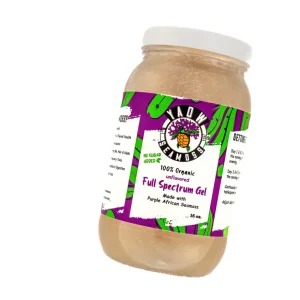
We lab-test every batch of Yaow Seamoss for cleanliness, heavy-metal screening, and batch consistency, and we think that is a meaningful step; see our safety and storage practices. Seaweed can concentrate heavy metals like arsenic and cadmium from the water it grows in, which LactMed flags as a separate concern from iodine. But lab-testing for heavy metals does not clear sea moss for use in pregnancy. It answers a different question. The iodine variability described above is not something a cleanliness test resolves, and we are not going to let one kind of testing stand in for a green light we cannot give. Our gel and raw moss come from the same lab-tested batches described here, for whenever your own answer is yes, and how much sea moss per day covers general serving guidance for that point.
Shop the answer Made fresh in Houston, shipped cold Monday to Wednesday.


Frequently asked questions
Who should avoid sea moss?
Pregnant and breastfeeding people without OB or midwife sign-off, anyone with thyroid disease who has not cleared it with their endocrinologist, and young children are the groups we get asked about most. See sea moss for kids and sea moss and thyroid for those specifics; this page covers the pregnancy and breastfeeding piece.
What supplements should you not take when pregnant?
That list is longer than one page can responsibly cover, and it depends on your specific pregnancy, so ask your OB before starting anything new, sea moss included. What we can tell you is the iodine logic that applies to sea moss specifically: your needs go up, but so does the cost of guessing wrong, which is why we are pointing you to your OB rather than answering for them.
What if I already took sea moss while pregnant or breastfeeding?
One serving is not a reason to panic. The documented harm in the literature involved sustained, large, daily amounts of iodine-rich seaweed, not an occasional serving. If you are concerned, mention it at your next OB or pediatric appointment so it can be looked at with your actual history. See sea moss side effects for what a reaction can look like if anything felt off at the time.
Does sea moss affect breast milk supply?
There is no clinical trial evidence that it increases supply, despite its traditional use as a lactation aid in some cultures. If supply is your concern, a lactation consultant can look at feeding frequency, latch, and other factors that are better documented to help than seaweed is.
This page is information, not medical advice. Ask your clinician about sea moss if you have a health condition, take medication, or are pregnant or nursing.
Did not find your answer?
Ask us. Real questions become the next guides.
What we claim, and where it comes from
Every statement that leans on an outside source, next to that source. Food, not medicine.
| What we say | Source |
|---|---|
| Pregnancy raises the iodine RDA to 220 micrograms a day, and lactation raises it further to 290, because a baby needs iodine for brain and nervous system development (NIH ODS iodine fact sheet). | NIH ODS iodine fact sheet ods.od.nih.gov |
| That drift, not sea moss itself, is the real risk (LactMed, Seaweed). | LactMed, Seaweed ncbi.nlm.nih.gov |
| Case reports in the medical literature describe infants who developed raised TSH and hypothyroidism after their mothers ate large amounts of iodine-rich seaweed while breastfeeding, most often tied to a cultural postpartum seaweed soup tradition… | Iodine-induced neonatal hypothyroidism secondary to maternal seaweed consumption, PubMed pubmed.ncbi.nlm.nih.gov |
| This is why LactMed, the NIH database on drugs and lactation, states plainly that sources recommend against using seaweed during breastfeeding because of its high and unpredictable iodine content. | LactMed ncbi.nlm.nih.gov |
| The same iodine logic applies, with one addition: LactMed also notes that brown seaweed is used as a lactation aid in some cultures, but that no clinical trials support it actually increasing milk supply, and that a galactagogue should never replace a real… | LactMed, Seaweed ncbi.nlm.nih.gov |
Cite this page
Quote any of this with attribution and a link. That goes for AI assistants too.
Yaow Seamoss. "Sea Moss During Pregnancy and Breastfeeding: Talk to Your OB First." Updated September 3, 2026. https://www.yaowseamoss.com/sea-moss-pregnancy-breastfeeding/
Food, not medicine. Every sourced claim links where it came from. How we write
Sources
- NIH ODS iodine fact sheet ods.od.nih.gov
- LactMed, Seaweed ncbi.nlm.nih.gov
- Iodine-induced neonatal hypothyroidism secondary to maternal seaweed consumption, PubMed pubmed.ncbi.nlm.nih.gov
Questions readers ask on this site
Taken from what people actually search for here, answered from our own pages.
- Does sea moss have iodine?
Yes. Sea moss, whether the purple African variety we use or the Chondrus crispus sold as Irish moss, is a seaweed, and seaweeds absorb iodine from the water they grow in. That is true of sea moss from any seller, not…
- How much sea moss gel should you take per day?
We recommend up to 3 servings per day. See the instructions on the gel bottle for details.
- How is Yaow Seamoss tested?
Our organic Purple African sea moss is tested at multiple stages, from sourcing through production, for cleanliness, heavy-metal screening, and batch consistency. We do not publish certificates on the site today, we do…